

What Is the Right Gas Type for My Truck?
What Is the Right Gas Type for My Truck?
Your Guide to Chevy Truck Fuel at John Holt Chevrolet in Chickasha, OK
Key Takeaways
- Most Chevy trucks, including the Colorado and Silverado lineup, run on regular unleaded gasoline with an 87 octane rating, not premium.
- Heavy-duty Silverado 2500 and 3500 models are available with either a gas V8 or a Duramax diesel engine, and mixing those up at the pump is a serious mistake.
- Using the wrong fuel type can cause engine damage, reduced performance, and expensive repairs.
- Checking the fuel door sticker and the owner’s manual takes 10 seconds and prevents a costly mistake.
- Octane requirements can vary slightly by engine and trim, so it’s worth confirming for a specific truck.
Every truck owner asks it eventually, usually standing at the pump with a nozzle in hand: what actually goes in this thing? The folks at John Holt Chevrolet in Chickasha, OK, hear this question from new truck owners almost every week. It’s a fair one. Trucks aren’t one-size-fits-all when it comes to fuel.
So what’s the real answer to Chevy truck gas type questions, and why does it matter more than people think? Understanding the right fuel for your Silverado or Colorado protects your engine and saves you money at the pump.
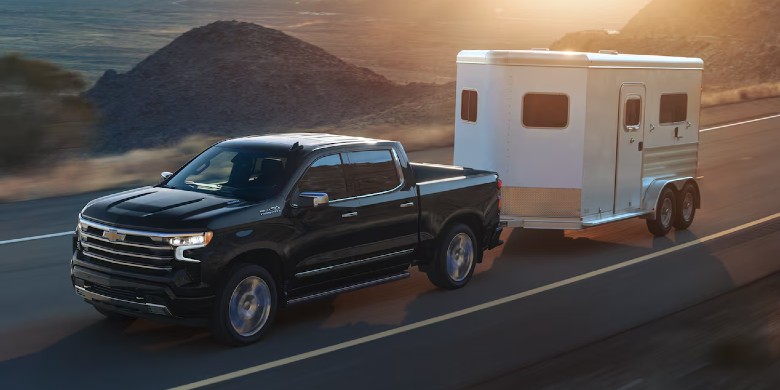
What Kind of Gas Does a Chevy Silverado Need?
Here’s the direct answer: most Silverado engines run on regular unleaded gasoline with an octane rating of 87. That covers the V6 and V8 gas engines across the Silverado 1500. It’s also the standard for the gas-powered V8 in the 2500 and 3500 HD trucks.
That means the Chevy Silverado 1500 gas type most owners are looking for is nothing fancier than regular gas.
This surprises some folks, especially those coming from a performance car background where premium fuel is the norm. But Chevy engineers actually design these truck engines around regular-grade fuel. Compression ratios and ignition timing are tuned so drivers get strong torque and towing capability without paying extra at the pump.
So when someone asks “What kind of gas for Chevy Silverado 1500?” the correct answer is usually the cheaper option at the station, not the premium one. That said, a few high-output trims and smaller turbocharged engines can be sensitive to fuel quality. It’s smart to double-check the fuel door sticker or the owner’s manual before making assumptions.
Fuel Basics by Model
- Colorado (gas engines): regular unleaded, 87 octane
- Silverado 1500 (V6/V8): regular unleaded, 87 octane
- Silverado 2500/3500 (gas V8): regular unleaded, 87 octane
- Silverado 2500/3500 (Duramax diesel): diesel fuel only, never gasoline

Does My Truck Require Premium Fuel?
For the vast majority of Chevy trucks on the road, no. Premium fuel isn’t required. Regular unleaded gets the job done. Running premium won’t add horsepower or towing capacity that isn’t already there.
That’s an important point, because so many drivers assume premium fuel is automatically “better” for a bigger engine. It’s a reasonable guess, but it’s not how these engines are built. Chevy’s V8 truck engines, including those in the 1500 and HD lineups, are calibrated for regular-grade gas from the factory.
Premium fuel has a higher octane rating. That mostly matters for high-compression or turbocharged engines trying to prevent knock. Most Silverados simply don’t need that extra cushion. So if the question is “Does my truck need premium fuel?” the answer for a stock Colorado or Silverado is almost always no. The one exception worth flagging: some specialty or high-performance trims occasionally call for higher octane. It’s always smart to check the manual rather than assume based on engine size alone.

What Happens If I Use the Wrong Fuel?
Putting the wrong fuel in a truck isn’t just a minor inconvenience. It can cause real, sometimes expensive damage, especially for HD truck owners choosing between the gas and diesel Silverado options.
Gasoline in a diesel engine, or vice versa, is the biggest risk. Diesel engines rely on compression ignition, whereas gasoline burns differently. That mismatch can damage fuel injectors, the fuel pump, and even internal engine components if the truck is driven before the mistake is caught.
On the gasoline side, running lower octane than an engine is calibrated for can cause knocking, reduced power, and long-term wear. This is rare with regular Silverado engines, since they’re built for 87 octane to begin with. It’s part of a bigger question drivers should feel comfortable asking: what types of gas are there, and which one actually applies to their vehicle? Regular, mid-grade, premium, and diesel all serve different engine designs. Knowing the difference protects the investment sitting in the driveway.
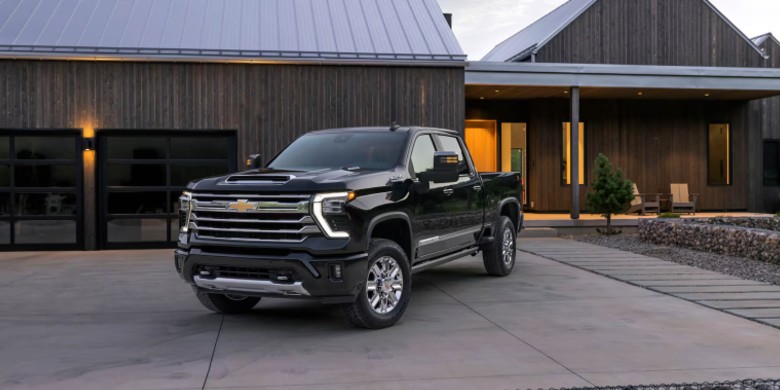

FAQ
For most Chevy Colorado and Silverado gas engines, regular unleaded 87 octane is the correct choice. Diesel-equipped HD trucks need diesel fuel exclusively.
The 1500’s V6 and V8 engines use regular unleaded, the same as the gas V8 offered in the 2500 and 3500 HD trucks.
Yes, it won’t harm the engine, but it also won’t improve performance or fuel economy in an engine designed for regular fuel.
Both are serious mistakes that can damage fuel system components. The truck shouldn’t be started or driven until the tank is properly drained.
The fuel door sticker, owner’s manual, or a quick call to John Holt Chevrolet’s service department will confirm which engine and fuel type applies.
Standard Colorado gas engines are built for regular unleaded. Any exceptions would be noted in the owner’s manual for specific trims.
John Holt Chevrolet
Address: 2501 US Highway 81, Chickasha, OK 73018
Hours:
Monday – Friday: 9:00 AM – 7:00 PM
Saturday: 9:00 AM – 6:00 PM
Sunday: Closed
Stop by today to check out our latest truck inventory or ask our service team about the right fuel for your Chevy.
